-
-
-
Mumbai, Maharashtra, India.
Flanges
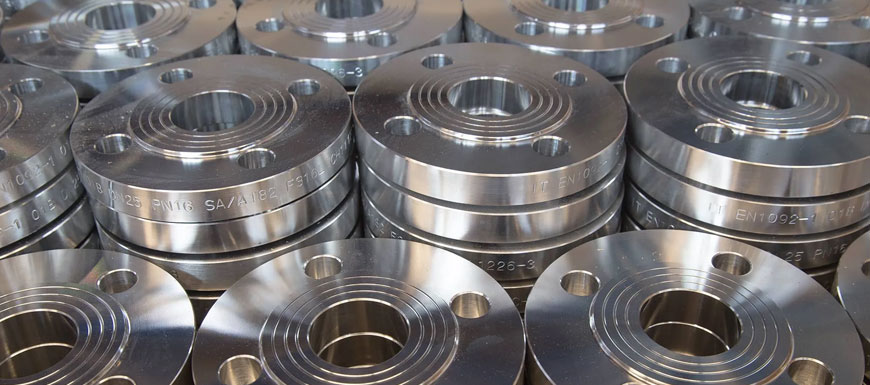
Flanges
A flange is a mechanical component used to connect two pieces of equipment, such as pipes, valves, or pumps, in a secure and leak-proof manner. Flanges are commonly made from materials like stainless steel, carbon steel, or alloy steel to provide durability and resistance to corrosion. The primary function of a flange is to allow for easy assembly and disassembly of piping systems, making them ideal for maintenance and repair tasks. Flanges come in various types, including weld neck, slip-on, screw and blind flanges, each designed for specific applications in high-pressure or high-temperature environments.
Flanges are integral components in the oil and gas, chemical processing, and water treatment industries, where they ensure safe and reliable connections between pipes. They are manufactured according to international standards such as ASME and API to meet the required specifications. Proper installation and sealing are critical to ensure the integrity and performance of the flange connection, minimizing the risk of leaks or failures in the system.
Grades
| Material | Grade |
|---|---|
| Stainless Steel | Stainless Steel 304 Flanges, Stainless Steel 304L Flanges, Stainless Steel 304H Flanges, Stainless Steel 310S Flanges, Stainless Steel 310H Flanges, Stainless Steel 316 Flanges, Stainless Steel 316L Flanges, Stainless Steel 316H Flanges, Stainless Steel 316Ti Flanges, Stainless Steel 317 Flanges, Stainless Steel 321 Flanges, Stainless Steel 347 Flanges, Stainless Steel 904L Flanges |
| Carbon Steel | Carbon Steel A105 Flanges, Carbon Steel A694 Flanges, LTCS ASTM A350 LF2 Flanges |
| Alloy Steel | Alloy Steel F1 Flanges, Alloy Steel F5 Flanges, Alloy Steel F9 Flanges, Alloy Steel F11 Flanges, Alloy Steel F12 Flanges, Alloy Steel F22 Flanges, Alloy Steel F91 Flanges |
| Duplex Steel | Duplex 2205 Flanges, Duplex 2507 Flanges |
| Monel | Monel 400 Flanges, Monel K500 Flanges |
| Inconel | Inconel 600 Flanges, Inconel 625 Flanges, Inconel 718 Flanges |
| Hastelloy | Hastelloy C22 Flanges, Hastelloy C276 Flanges |
| Alloy 20 | Alloy 20 Flanges |
| Titanium | Titanium Grade 2 Flanges, Titanium Grade 5 Flanges |
| Cupro Nickel | Cupro Nickel 70/30 Flanges, Cupro Nickel 90/10 Flanges |
Flange Specifications
| Specification | Details |
|---|---|
| Size | 1/2″ (15 NB) to 48″ (1200 NB), Custom Sizes |
| Standards | ANSI B16.5, ANSI B16.47 Series A & B, MSS SP44, ASA, API-605, AWWA, Custom Drawings |
| Pressure Ratings | Class 150, 300, 400, 600, 900, 1500, 2500 | PN6, PN10, PN16, PN25, PN40, PN64 etc. |
| Carbon Steel Plate Flanges | ASTM A105/A105N, A350 LF1, LF2 CL1/CL2, LF3 CL1/CL2, A694 F42–F70, A516 (60, 65, 70), RST37.2, C22.8 |
| Stainless Steel Plate Flanges | ASTM A182, A240 – F304/304L/304H, F316/316L/316H/316TI, F310, F321, F904L |
| Alloy Steel Plate Flanges | ASTM A182 F1, F5, F9, F11, F22, F91 |
| Special Alloy Plate Flanges | Duplex, Super Duplex, Nickel Alloys |
| Flange Face Type | Flat Face (FF), Raised Face (RF), Ring Type Joint (RTJ) |
| Coating / Surface Treatment | Anti-rust Paint, Oil Black Paint, Yellow Transparent, Zinc Plated, Cold & Hot Dip Galvanized |
| Value Added Services | CNC Machining, Customised Flanges |
Threaded Flange
A threaded flange is a type of flange that features internal threads designed to be screwed directly onto the pipe without the need for welding. This design makes it ideal for situations where welding is not practical, such as in systems where welding might compromise the integrity of the pipe or in areas with limited access. Threaded flanges are commonly used in low-pressure systems and are available in a variety of sizes and materials to suit different applications. Their corrosion-resistant and easy installation properties make them a popular choice in the oil and gas, chemical, and water treatment industries.

The threaded design of the flange ensures a secure connection between the flange and pipe, eliminating the need for additional sealing components. This makes the threaded flange an efficient solution for maintenance and repair operations, as it allows for easy disassembly and reassembly. Moreover, threaded flanges are often preferred in situations where flanged connections need to be quickly assembled or disassembled without the need for special tools or complex welding procedures. Their durability and versatility ensure long-lasting and leak-free performance in a wide range of environments.
Weld Neck Flange
A weld neck flange is a type of flange that features a long, tapered neck that allows for a smooth transition between the flange and the pipe. This design provides a strong, high-pressure connection and is particularly suited for applications where strength and durability are critical. Weld neck flanges are commonly used in industries such as oil and gas, power generation, and chemical processing, where they are subjected to high stress, pressure, and temperature conditions. The neck of the flange is welded to the pipe, creating a seamless and leak-proof connection that helps to prevent fatigue and stress concentration at the joint.

One of the key advantages of the weld neck flange is its ability to withstand high-pressure environments due to the gradual transition of thickness from the neck to the flange. This design also reduces the risk of leakage and ensures a secure connection in demanding applications. Additionally, weld neck flanges can be easily customized to meet specific application requirements, offering a high level of versatility and reliability. Whether for piping systems in industrial plants or high-performance operations, weld neck flanges provide a robust solution for creating strong, long-lasting connections.
Slip On Flange
A slip on flange is a type of flange that is designed to slip over the pipe before being welded into place. This allows for easy alignment and installation, making it a popular choice in systems where quick and efficient assembly is required. Slip on flanges are typically used in low to medium pressure applications and are commonly found in industries such as oil and gas, water treatment, and HVAC systems. The flange's design provides a reliable and cost-effective solution for piping systems that need a secure connection without the complexity of more intricate flange types.
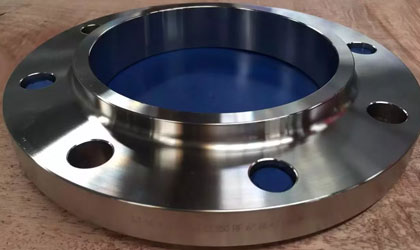
One of the primary benefits of the slip on flange is its ease of installation, as it does not require precise alignment between the pipe and flange before welding. This reduces installation time and labor costs. The slip on design also makes it an ideal choice for systems that require frequent disassembly for maintenance or modification. Despite being more affordable than other flanges, slip on flanges still offer a durable and leak-resistant connection, providing a versatile option for various industrial applications.
Socket Weld Flange
A socket weld flange is a type of flange designed to be welded directly into the pipe socket, creating a strong, secure connection. This type of flange is ideal for high-pressure systems and is commonly used in industries such as chemical processing, oil and gas, and petrochemical plants. The socket weld design provides a smooth internal surface, minimizing the risk of turbulence and erosion in the piping system. These flanges are available in a range of materials and sizes, offering flexibility for a variety of demanding applications.

The primary advantage of the socket weld flange is its ability to handle high-pressure environments and provide a secure, leak-proof connection. Once installed, the flange is highly resistant to thermal expansion and contraction, making it ideal for temperature-sensitive systems. Additionally, the compact design of the socket weld flange makes it suitable for installations where space is limited, while still maintaining strength and reliability in the connection. Its robust features ensure long-lasting performance in even the most challenging industrial environments.
Lap Joint Flange
A lap joint flange is a two-piece component consisting of a backing flange and a stub end, designed for applications where frequent dismantling of the piping system is required. This type of flange is not welded directly to the pipe; instead, the stub end is welded to the pipe, while the flange is free to rotate, allowing for easy alignment of bolt holes. Lap joint flanges are ideal for systems that require regular inspection, maintenance, or cleaning, especially in low-pressure and non-critical applications such as in food processing, pharmaceutical, and water treatment industries.
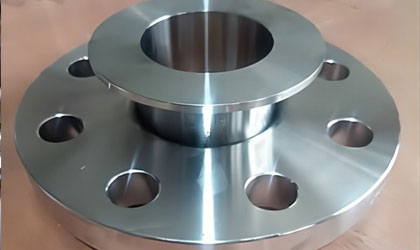
One of the main advantages of using a lap joint flange is its cost-effectiveness when used with expensive piping materials. Since only the stub end needs to match the material of the pipe, the backing flange can be made from a less expensive metal. Additionally, the ability of the flange to rotate around the pipe makes it extremely useful in tight or confined spaces, simplifying the installation process. With its reusability, ease of alignment, and flexibility, the lap joint flange is a practical solution for systems requiring frequent assembly and disassembly.