-
-
-
Mumbai, Maharashtra, India.
Sheet / Plate / Coil
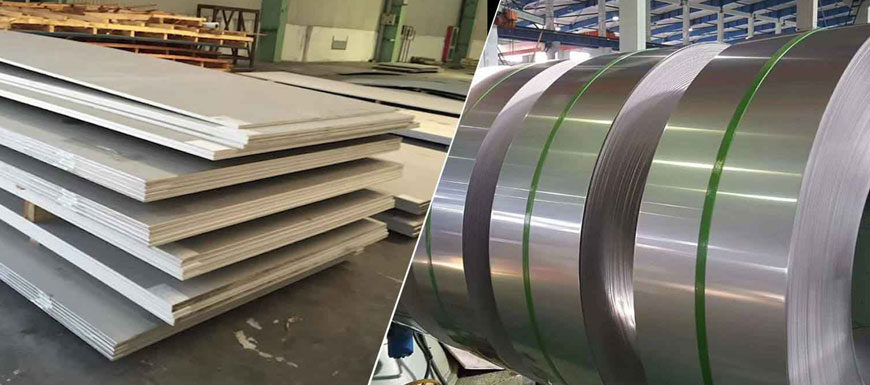
Sheet / Plate / Coil
Sheets, plates, and coils are flat-rolled metal products widely used as foundational materials in numerous industrial applications. They are manufactured in various thicknesses, grades, and widths to suit diverse project requirements across industries like construction, automotive, shipbuilding, and manufacturing. These products are typically made from high-performance materials such as carbon steel, stainless steel, aluminum, brass, and alloy steel. Depending on the application, metal sheets and coils can be processed into components, structures, or enclosures with excellent strength, flexibility, and durability.
Sheet, plate, and coil materials are essential in industries that demand high corrosion resistance, thermal stability, and structural integrity. They undergo various surface treatments and finishes like zinc coating, galvanizing, anodizing, or paint finishes to enhance their performance and extend service life in harsh or outdoor environments. These materials are easily processed through cutting, bending, forming, and welding, making them highly adaptable for fabricating parts, enclosures, panels, and frameworks in both heavy and light-duty applications.
Sheet / Plate / Coil Specifications
| Specification | Description |
|---|---|
| Thickness | 0.3 mm to 150 mm |
| Width | Up to 2000 mm (coils & sheets) |
| Length | 1000 mm to 6000 mm (custom lengths available) |
| Coil Form | HR (Hot Rolled), CR (Cold Rolled), Slit Coil |
| Finish | 2B, BA, Mirror, No.1, Hairline, Matte |
| Standards | ASTM, JIS, EN, IS, DIN |
| Testing | Ultrasonic, Chemical, Mechanical, Surface Inspection |
Sheet
Sheet metal is a flat, thin piece of metal formed through industrial processes, widely used in applications requiring lightweight and versatile materials. It is available in various thicknesses, grades, and dimensions to suit the specific needs of industries such as automotive, construction, aerospace, and HVAC. Common materials used for sheet production include carbon steel, stainless steel, aluminum, and brass. Sheet metal provides excellent formability and can be easily cut, bent, and shaped into a wide range of components for structural and decorative purposes.

Sheet metal is valued for its combination of strength, corrosion resistance, and durability, making it suitable for both indoor and outdoor applications. Surface treatments such as zinc coating, galvanizing, anodizing, or powder coating are often applied to enhance weather resistance and extend product life. Sheet metal is extensively used in manufacturing enclosures, panels, brackets, and ductwork, offering an ideal balance between performance and cost. Its adaptability makes it a preferred material in both lightweight and high-strength engineering solutions.
Plate
Plates are flat, thick metal sheets that serve as fundamental components in heavy-duty applications requiring high strength and durability. They are manufactured in various thicknesses, sizes, and grades to meet the demands of industries such as construction, shipbuilding, automotive, and manufacturing. Plates are commonly made from materials like carbon steel, stainless steel, alloy steel, and aluminum, offering excellent load-bearing capacity and structural integrity for a wide range of applications.
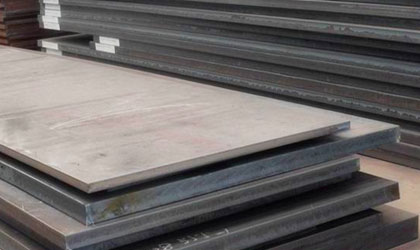
To enhance their performance in challenging environments, plates often undergo surface treatments and coatings such as galvanizing, zinc plating, or paint finishes to improve corrosion resistance. They can be processed through cutting, welding, and forming techniques to fabricate parts used in heavy machinery, infrastructure projects, and industrial equipment. With their ability to withstand high stress and wear, plates are crucial in ensuring the longevity and safety of structural and mechanical systems.
Coil
Coils are continuous strips of metal wound into rolls, widely used as raw materials in various manufacturing and industrial processes. Available in different widths, thicknesses, and grades, coils provide flexibility and efficiency for mass production. Commonly made from materials like carbon steel, stainless steel, aluminum, and alloy steel, coils serve as the foundation for fabricating components in industries such as automotive, construction, appliance manufacturing, and electronics.
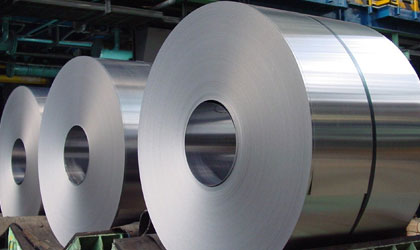
Coils are valued for their excellent strength, corrosion resistance, and formability, making them ideal for processes like cutting, stamping, rolling, and forming. To enhance durability, coils often receive surface treatments such as galvanizing, zinc plating, or anodizing, which improve their resistance to oxidation and environmental wear. Their versatility and efficiency in production make metal coils an indispensable material in both light and heavy industrial applications.